Construction projects succeed or fail on information. Who has the right version of the drawing? What's the actual material cost today? Is that structural element installed correctly? AI tools are making those questions answerable faster and more reliably than before.
How AI Is Changing Construction Project Management
Managing a construction project involves coordinating dozens of moving parts simultaneously — materials, labor, subcontractors, inspections, client approvals, weather, and budget. The complexity scales non-linearly with project size.
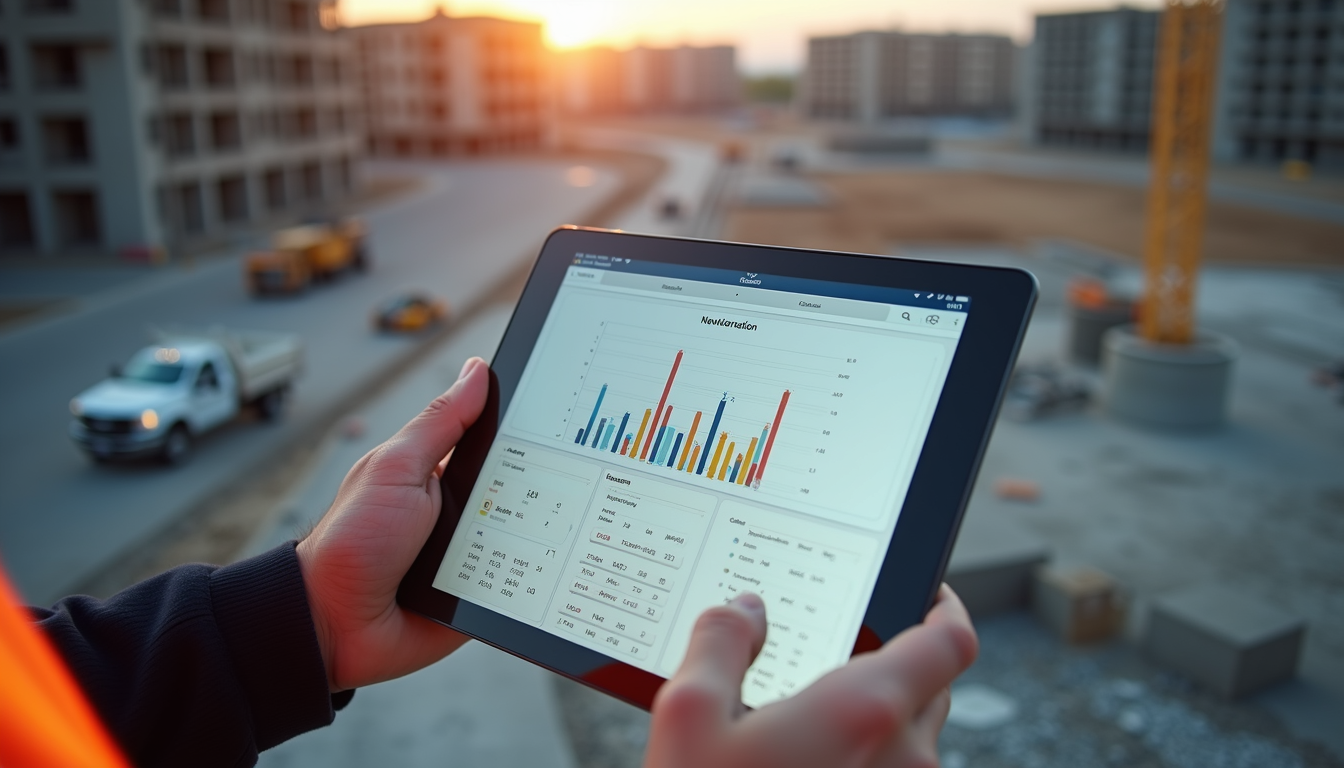
AI-powered project management tools address the coordination overhead by: surfacing real-time project status across all active elements, predicting delays based on upstream tasks and historical patterns, flagging budget variances before they become overruns, and generating documentation from project data automatically.
The result: project managers spend less time assembling status reports and more time managing the issues those reports reveal.
Site Analysis Before Construction Begins
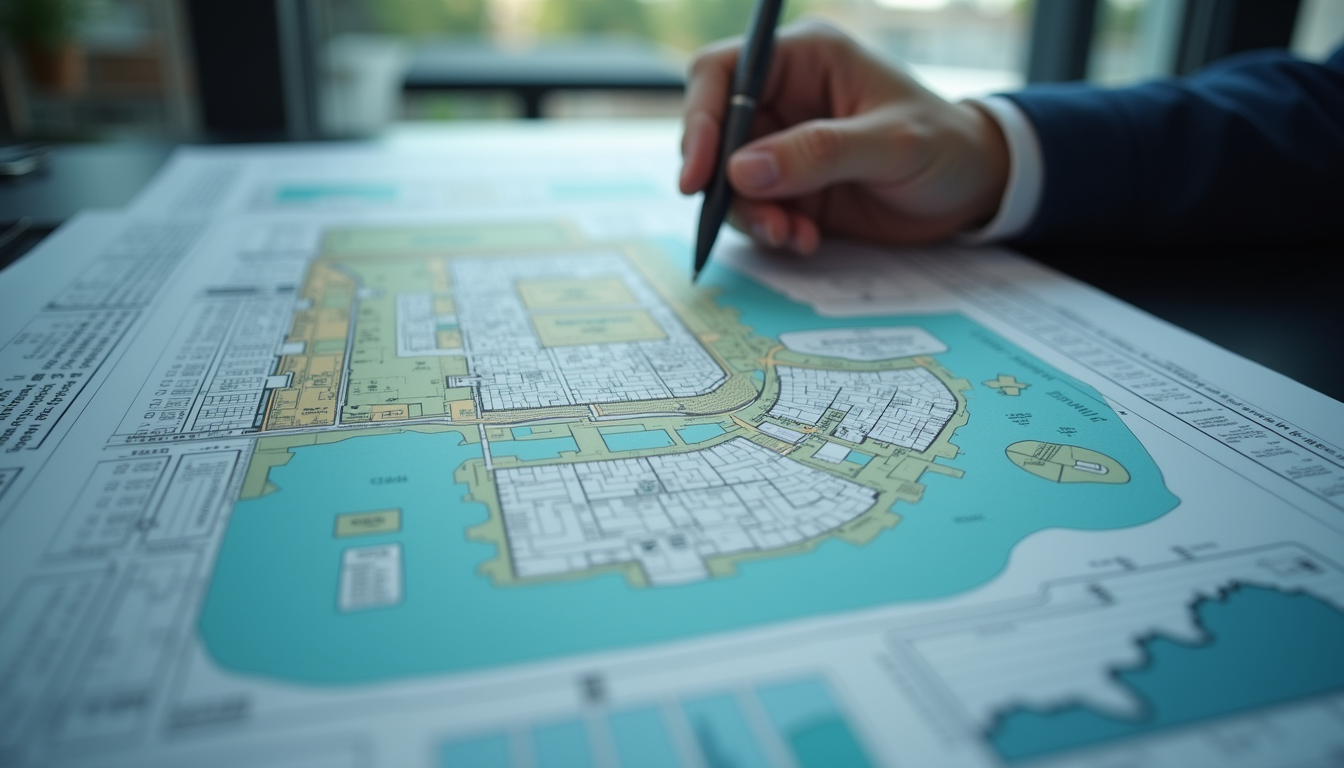
Intelligent site analysis at the feasibility stage prevents problems that would otherwise surface mid-construction. For any project involving a physical site, the key questions are: What does the parcel actually allow? What constraints exist? What does the slope mean for grading and drainage?
InQI's AI Site Plan Generator addresses these questions before design begins — assembling parcel data, zoning constraints, and terrain analysis automatically from an address or Assessor's Parcel Number (APN). Codes.IQ then layers in code compliance. Estimate.IQ adds early cost context.
Getting this intelligence at the start changes the design process: constraints are known from the beginning rather than discovered after the design is complete.
IQ Agents handle the research. You handle the project.
Sign up for freeWhat AI Tools Do Well in Construction
Schedule intelligence. AI scheduling tools can model the impact of a delay in one phase on all dependent phases — automatically surfacing what needs to shift and what can be parallelized.
Resource optimization. Tracking material usage, labor hours, and equipment availability against project needs — flagging shortfalls before they become stoppages.
Quality documentation. Field photos and inspection records organized automatically, linked to the relevant project element, searchable by anyone on the team.
Safety monitoring. AI analysis of site imagery can detect safety compliance issues — PPE, fall protection, equipment clearance — faster than manual observation.
Practical Integration Advice
AI works best in construction when it's integrated into existing workflows rather than running in parallel. The tool that requires your team to log into a separate platform and re-enter data from your existing system will get abandoned. Tools that connect to your current project management, scheduling, and design software and pull data automatically are the ones that actually change how work gets done.
Start by identifying the highest-pain information bottleneck on your current projects. That's where AI integration will have the clearest impact.